
The value of giving AI lousy prompts
Your best ideas don’t come from perfect mega-prompts. They come from the messy, human back-and-forth your brain was built for.

I’m staring at the many 100-line AI mega-prompts I’ve collected over time.
And it hits me.
Optimal AI use is about micromanaging it to death.
Write the most context-stuffed, perfectly-engineered prompt, so that:
AI gets as close to a final product as possible.
We reduce the human input required to optimize the final product.
We save our time and energy.
It’s a great strategy.
Especially if we’re working on mundane tasks where efficiency is key.
Like writing emails, summarizing a text’s ideas, or generating a basic report.
But when it comes to creative tasks, I’d say there’s a case for throwing all of this out.
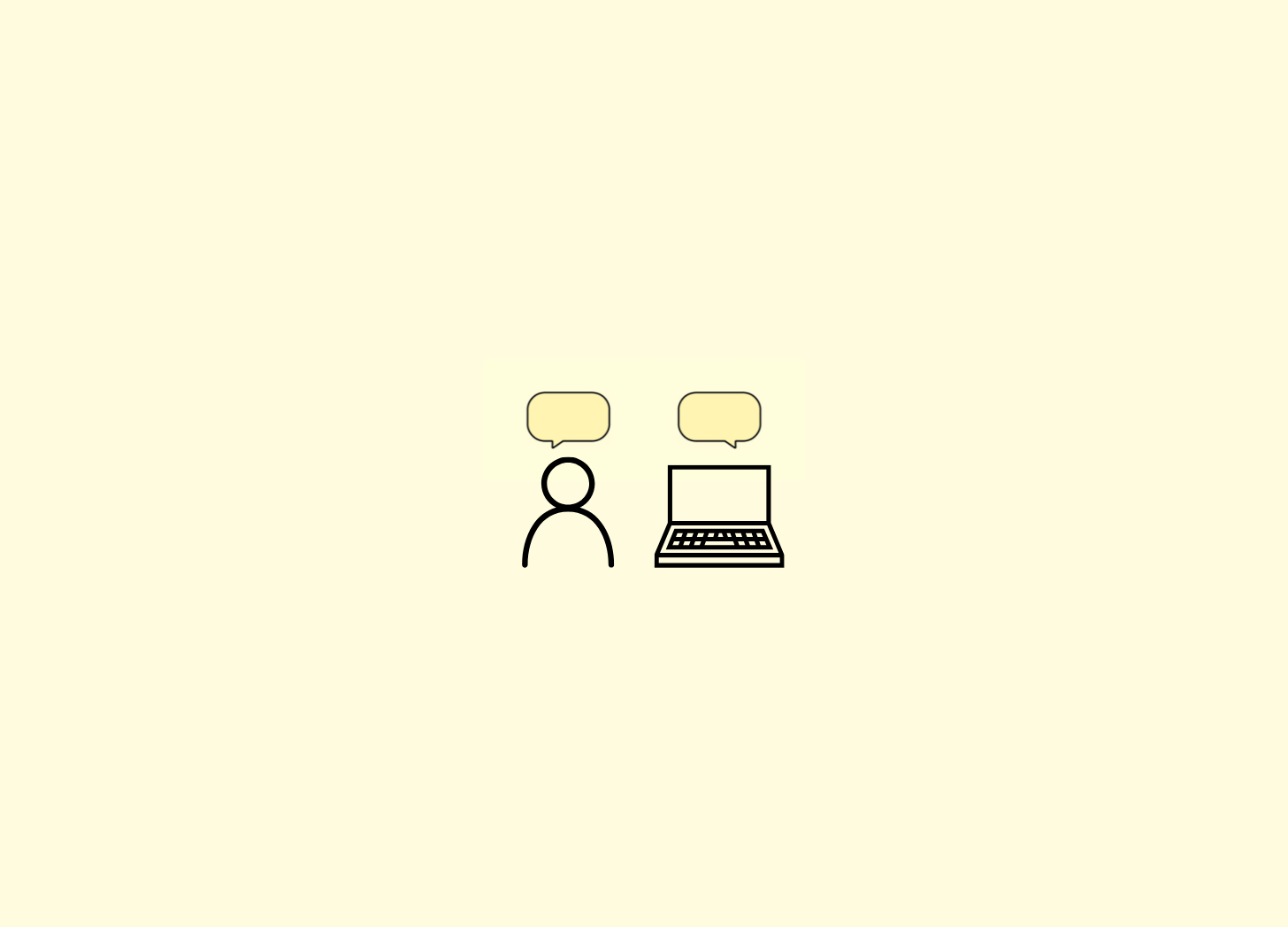
Talk to AI. Don't boss it around.
Remember the good old days before AI?
The times when you’d bounce ideas around with co-workers or friends.
And came up with something awesome that wouldn’t have happened if you’d thought about it alone.
Humanity’s history is peppered with such transformative moments.
It’s Jobs and Wozniak creating Apple.
It’s Einstein’s friends from “Olympia Academy” who helped shaped his brilliant mind.
What made such moments so magical was the conversation.
By trying to squeeze as much out of AI in a single prompt, you’re missing out on this very important process.
The messy, exploratory, imperfect journey required to extract brilliance from the human mind.
It’s sketching out the drafts together.
Coming up with bad ideas and disagreeing.
Finding a bin full of crushed paper.
That’s where the best human thinking comes alive.
If we want to create that same effect with AI, then we must retain this slow and effortful task of conversing with it.
Here are 3 psychological principles to help you understand why chatting (not mega-promoting) with AI brings out your best ideas.
1. Creativity needs psychological safety — not performance
Think about the last time you came up with a great idea with someone you trusted.
It might have been a colleague, a friend, or even your boss.
Most likely, it was someone you felt comfortable with.
You weren’t presenting or performing.
You weren’t scared of sounding dumb.
You allowed yourself to come up with silly ideas and make mistakes.
You just… thought out loud together.
That safety and looseness is where original, creative thinking thrives.
When you attempt to write a “perfect” prompt, you’re creating the opposite mental environment.
By pushing AI to perform and get it “right” on the first go, you’re setting a tense tone that forces you into rigidity, too.
You start blocking your own creativity because you’re expecting fast perfection.
When you approach AI conversationally, everything softens.
You forget about the overly-optimized prompts.
You toss half-baked thoughts at it, in the same way you would with a trusted collaborator.
The ideas start to flow because the stakes feel lower.
You’re not getting upset when it spews a bit of rubbish.
In fact, you find it helpful because it sparks better ideas from you.
Conversing with AI creates the psychologically safe environment you need to bring out your best ideas.
2. Conversation triggers associative thinking
Humans don’t think in straight lines.
We think in leaps and sideways jumps across a web of knowledge.
A word can bring up a memory.
A question can open a door you didn’t know was there.
A challenge can uncover a new way of seeing things.
This is the heart of creativity: unexpected associations.
Conversation (even with an AI) can activate your web of knowledge.
Increasing the chance of finding those novel connections.
You say something.
AI responds.
You react not just to your idea alone, but the many leaps from your idea and AI’s response.
That messy-middle is where originality comes from.
A mega-prompt kills the mental leaps.
Everything gets packed into the front end.
You end up losing that thinking journey of connecting one idea to the next.
Those moments when you say, “Oh, that reminds me of something else!”
These mental connections can only show up when you’re engaging, not commanding.
3. You need to sit with bad ideas to have good ones
One of the oldest truths in creativity is that quantity gives you quality.
AI fees wonderful because we can have quantity with minimal human effort.
But the way we’re directing this mass ideation is what limits or expands the output.
Conversation brings out idea volume in digestible stages.
You need to sit with a small cluster of bad ideas, before you refine or reject it progressively to get to your end goal.
When you try to produce brilliance in one perfect prompt, the value of that quantity is reduced.
You get AI to generate 100 ideas in 10 seconds and simply pick the best one.
You’re missing out on sitting with the lousy ideas, and allowing them to guide your next steps.
You’re stopping the progressive refinement from bad to good and forcing yourself to “nail it” immediately.
Great ideas are rarely extracted.
They need to be revealed.
And revelation happens piece by piece, exchange by exchange.
Not through idea diarrhea.
Time to ditch the mega-prompts?
Ok there’s no need to delete your mega-prompts just yet.
The point is to pause and consider whether having a chat or command is the best way to reach your goal.
In the case of creative work, there’s merit in shifting our mindsets away from getting AI to generate the best ideas in the shortest period of time.
It should be about using AI to bring out the best ideas in us.
And that is best done through curious, unoptimized conversation.
So if you’re a bad prompter (like me), and you often find yourself in long, winding back and forths between you and AI, it may be a sign you’re on the right track.
I love brainstorming with my pal HAL. This is just the sort of process I follow when doing it.
Thanks for writing this, it clarifies a lot. How do you start these AI conversations? So smart!